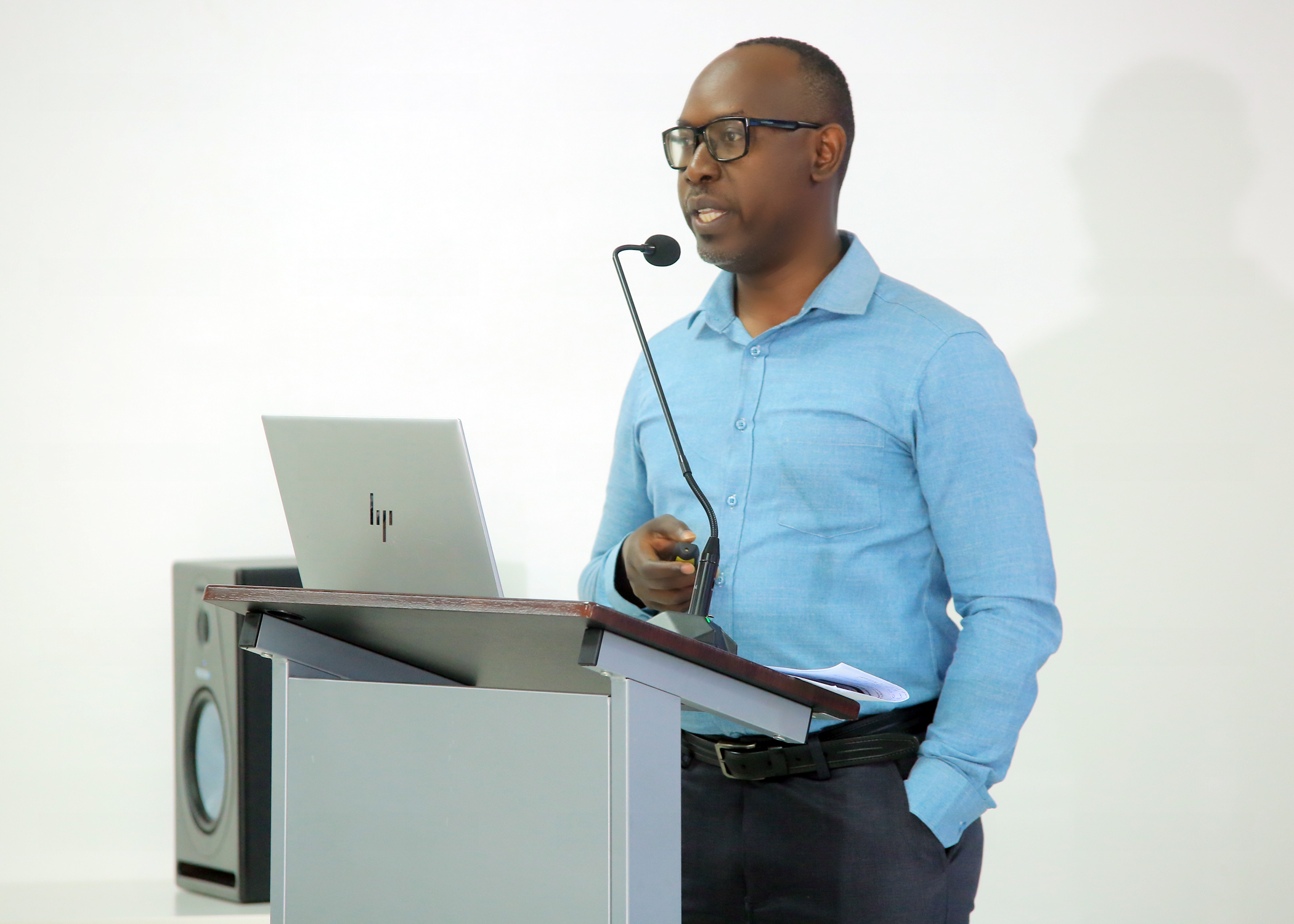
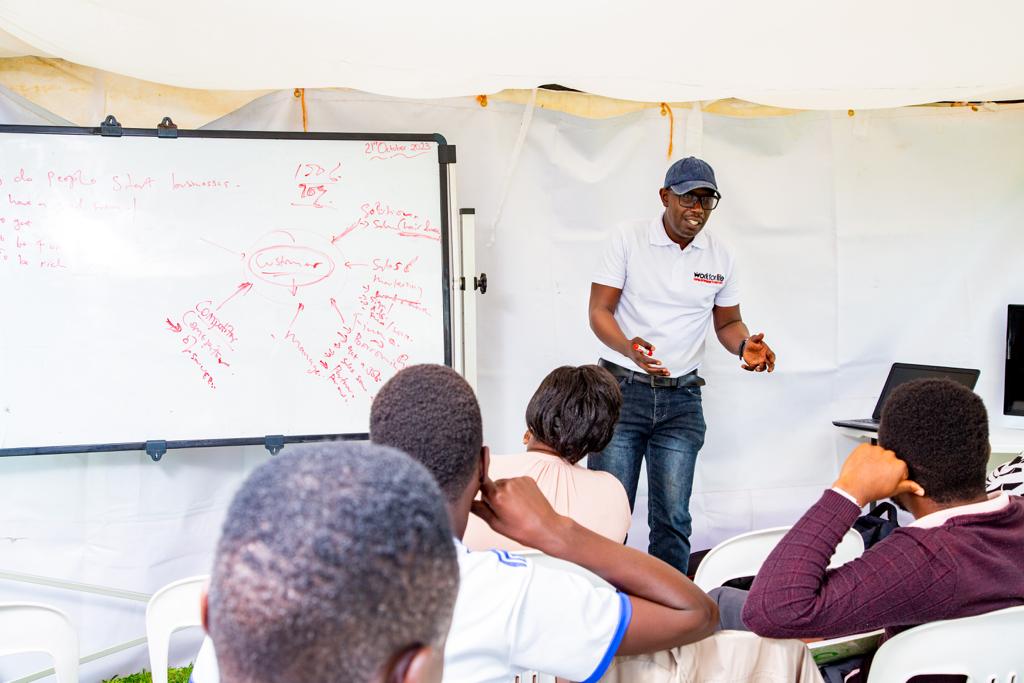
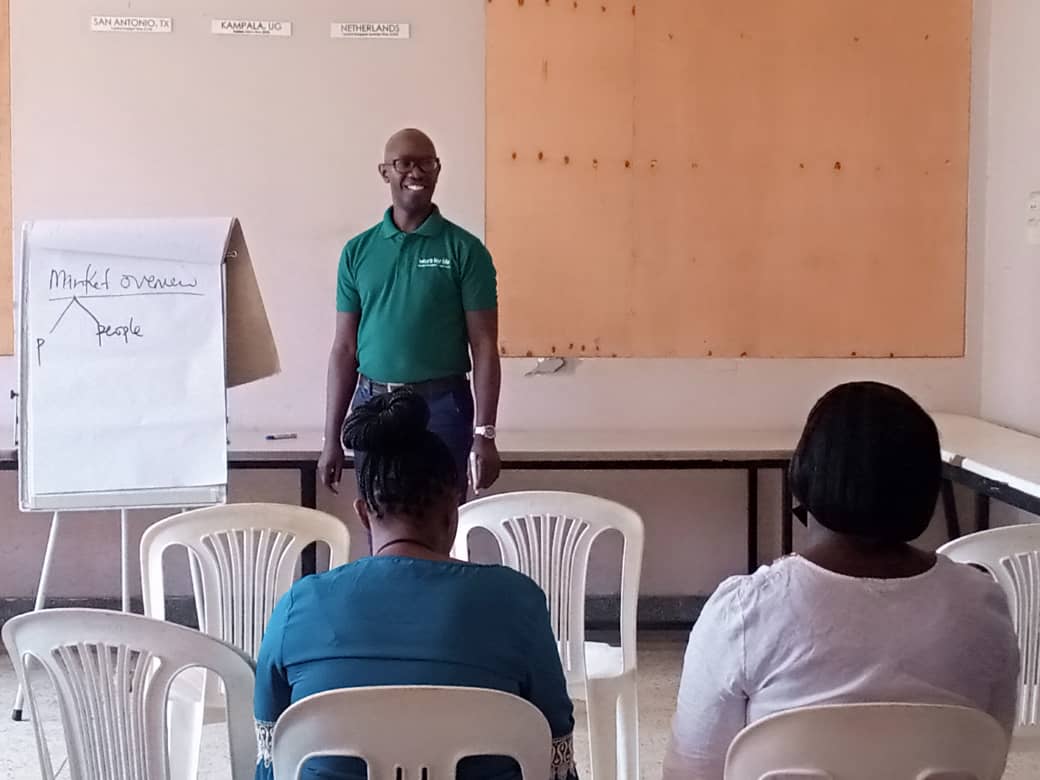
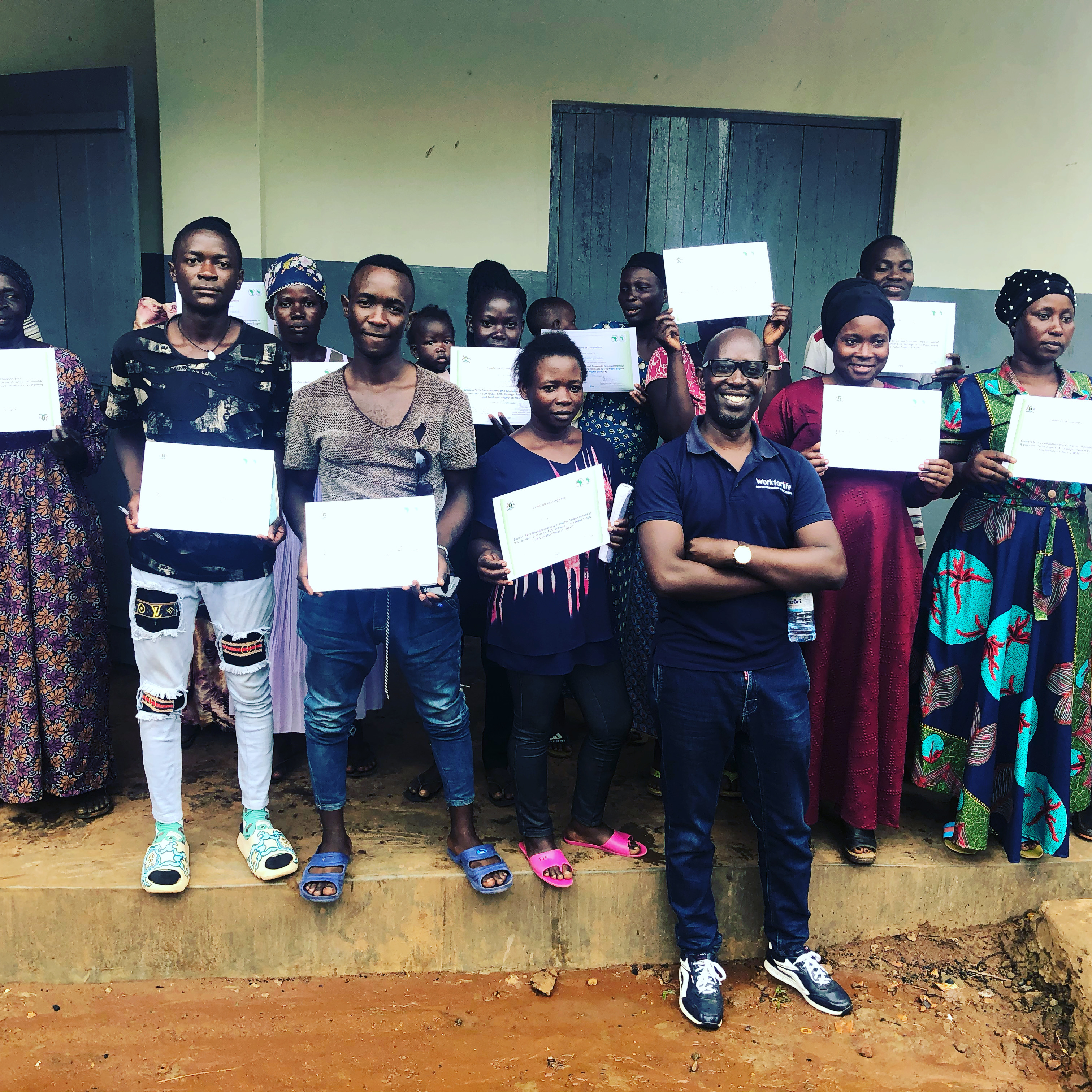
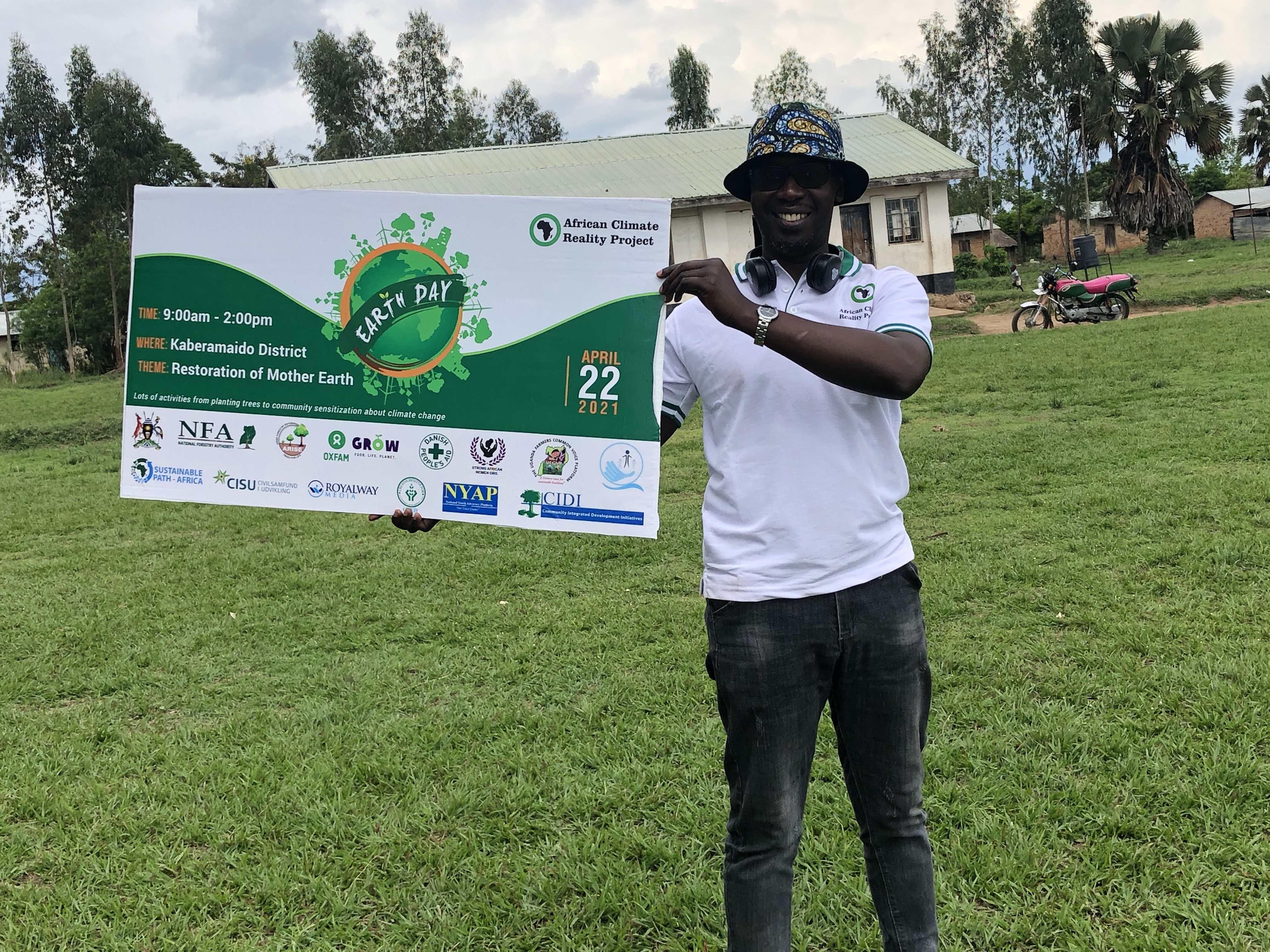
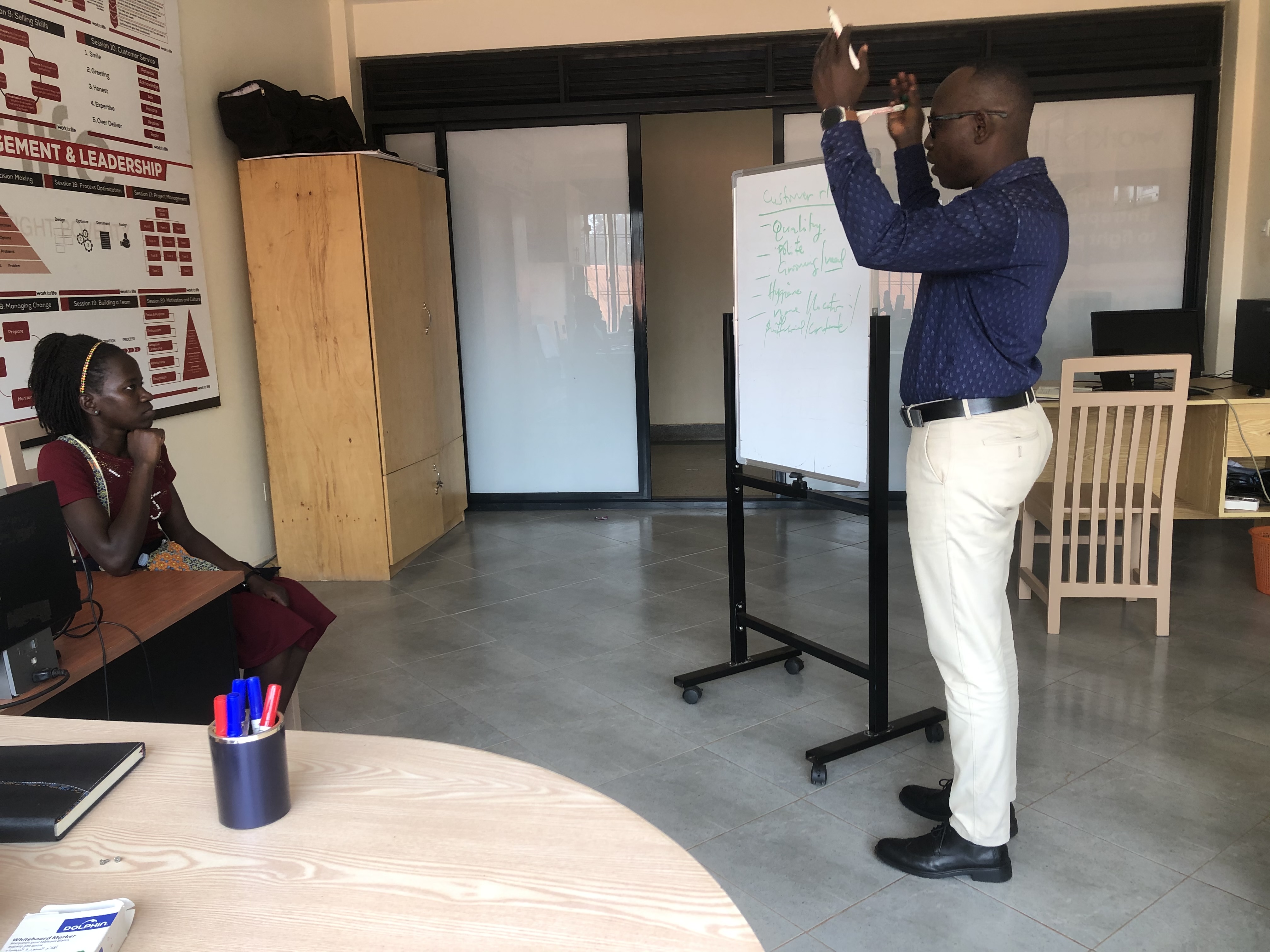
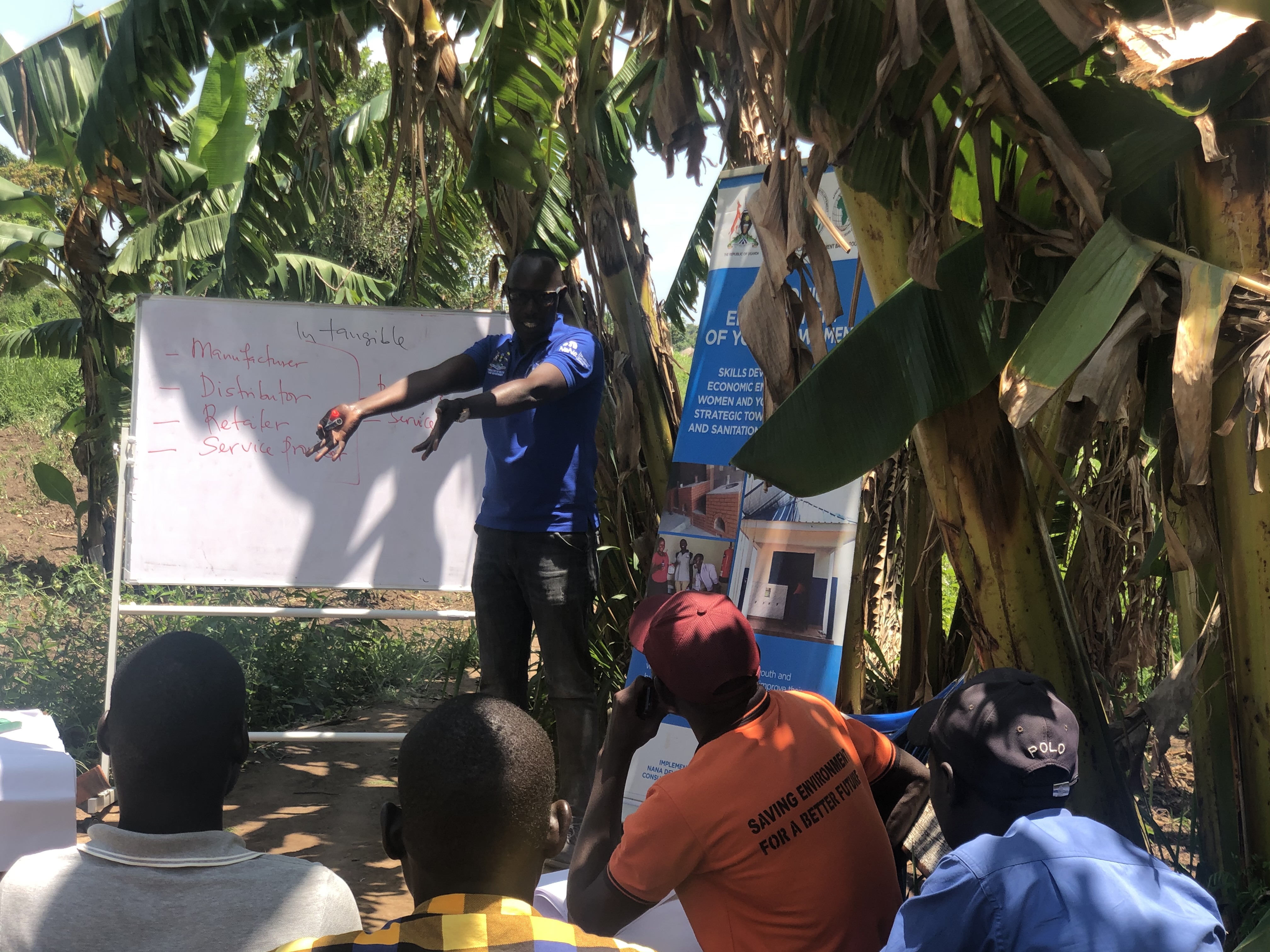
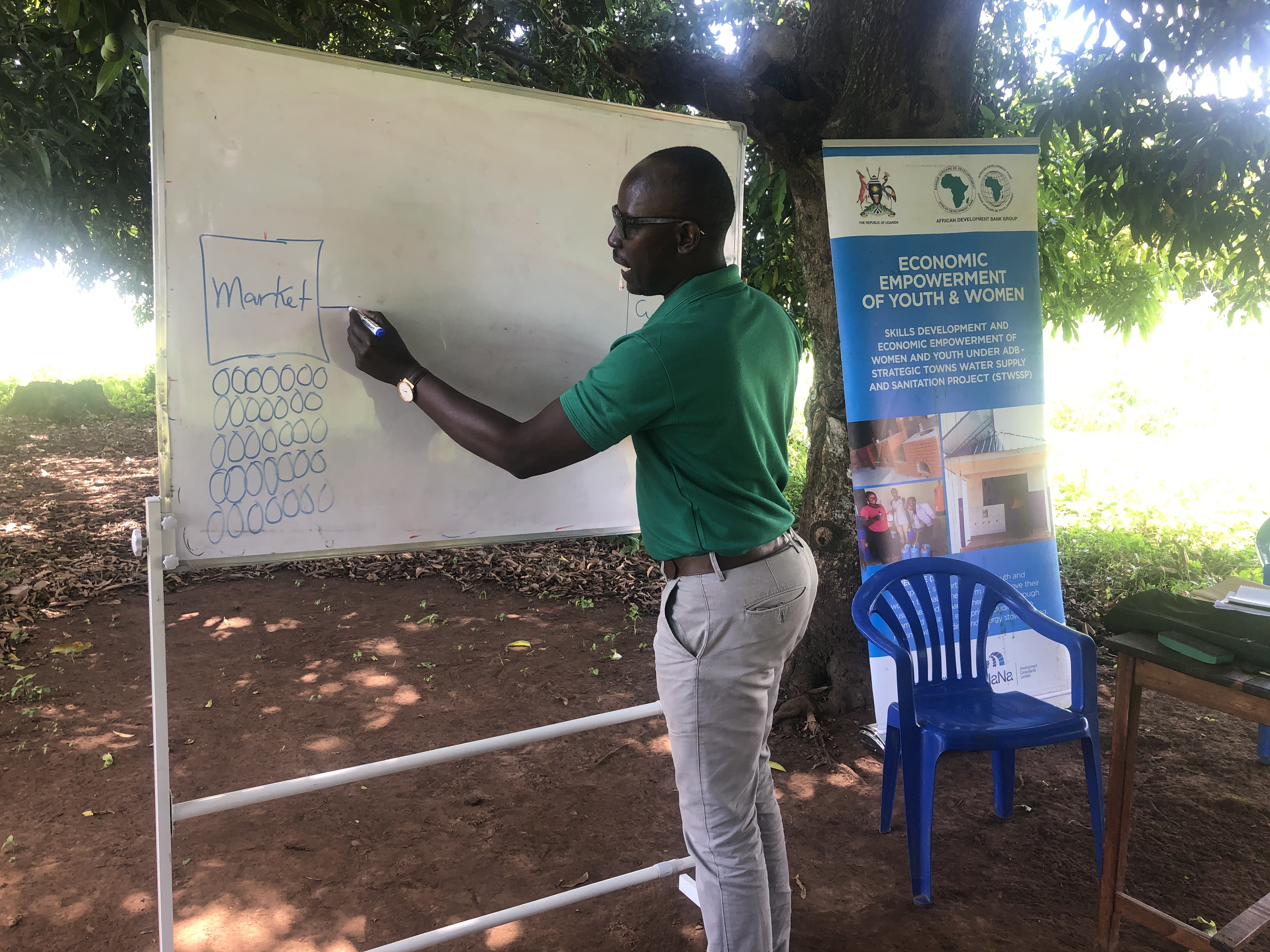
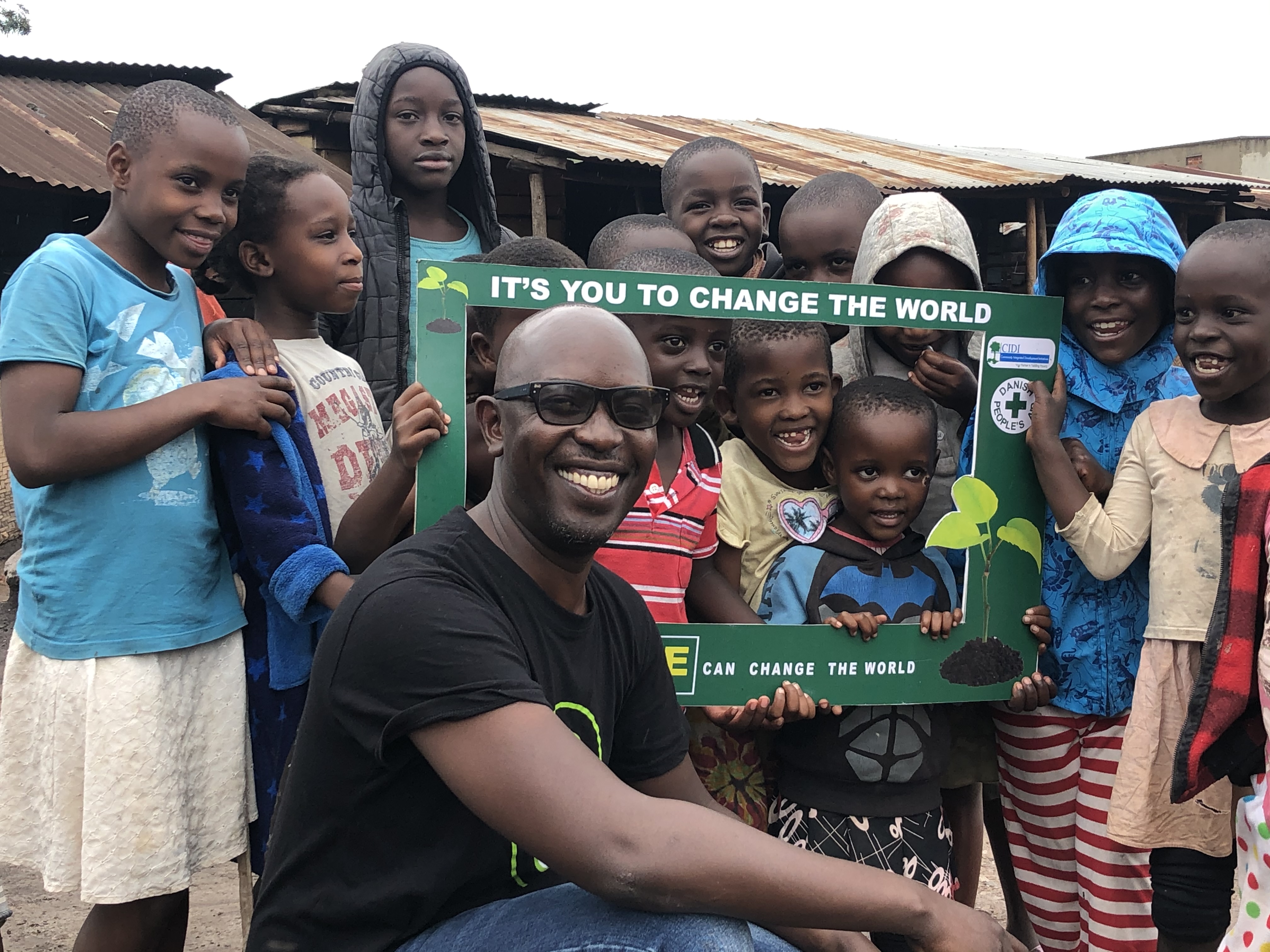
What does thirteen years of hands-on rural development practice actually teach you, once the project reports are filed and the textbook frameworks meet the reality of the field? Samuel Musisi Lukanga reflects on that question from his years of work in Uganda's Teso-Karamoja region.
Uganda's rural population stood at 72.61% of the total population in 2024, according to World Bank data. This alone justifies why the country's development efforts must deliberately target rural communities. With over 70% of Ugandans relying on agriculture for household income and food security, the land tenure system, which secures the single most important factor of production for rural households, is central to any meaningful rural transformation agenda.
Land, livelihoods, and a region in recovery
Despite a fairly robust legal regime governing land tenure in Uganda, the system within the Teso-Karamoja region continues to face serious encumbrances: inadequate documentation and registration, entrenched inequities and exclusion, cultural norms rooted in gender discrimination, overlapping and contested ownership claims, and a weak administrative structure paired with a dysfunctional dispute-resolution mechanism. Together, these have too often infringed on the rights of already underprivileged rural communities, most of whom have little practical access to the legal safeguards or dispute-resolution channels that exist on paper.
Traditionally, the Teso-Karamoja region has depended on agro-pastoralism. But the scale and mode of that practice have themselves become obstacles to community development: subsistence farming paired with a roaming livestock-keeping system has left communities persistently exposed to poverty, food insecurity, poor education outcomes, and malnutrition. Chronic cattle rustling and a farming system largely untouched by modern agricultural technology have compounded the problem.
The insurgency led by the Lord's Resistance Army, eventually checked by the locally organized Arrow Boys militia, displaced entire communities into what were then called Internally Displaced Persons (IDP) camps, a reality that hit the Teso districts of Soroti, Amuria, Kaberamaido, and Katakwi particularly hard. Conditions in the camps were dire: inadequate clean water, poor sanitation, food shortages, and widespread ill health. By 2006, the camps had finally been disbanded, largely through the efforts of humanitarian actors who stepped in to support the transition.
Arriving in Teso-Karamoja: an integrated approach to household development
Seven years later, in 2013, I had the opportunity to begin working in the Teso-Karamoja region. My work centered on helping communities improve their food security and household incomes as pathways to better livelihoods, at a time when the region was still transitioning out of the aftermath of protracted conflict that had left many people homeless and without a viable means of livelihood.
My approach was an integrated one. I took the household as the unit of development, and worked across four interlinked dimensions: food security as a critical household need, the health status of the household, household income, and the empowerment of the household in terms of rights, knowledge, and skills. Thirteen years on, my experience has confirmed that these elements are not separate tracks but complementary pillars of any meaningful rural development agenda.
Much of that time has been spent addressing chronically low agricultural production in a region with genuinely fertile soils, a gap driven mainly by limited knowledge and skills, poor access to quality inputs such as seed, and weak market linkages for whatever surplus communities managed to produce.
Different regions, different realities: adapting to Karamoja
In Karamoja specifically, it quickly became clear that leading with farming was the wrong entry point. Animals are the foundation of livelihoods there, and the safety of Karamojong livestock translates directly into the safety and wellbeing of the community, both as a food source and as an income source. We therefore prioritized water for production, establishing valley dams that served both as water points for livestock and as a water source for people.
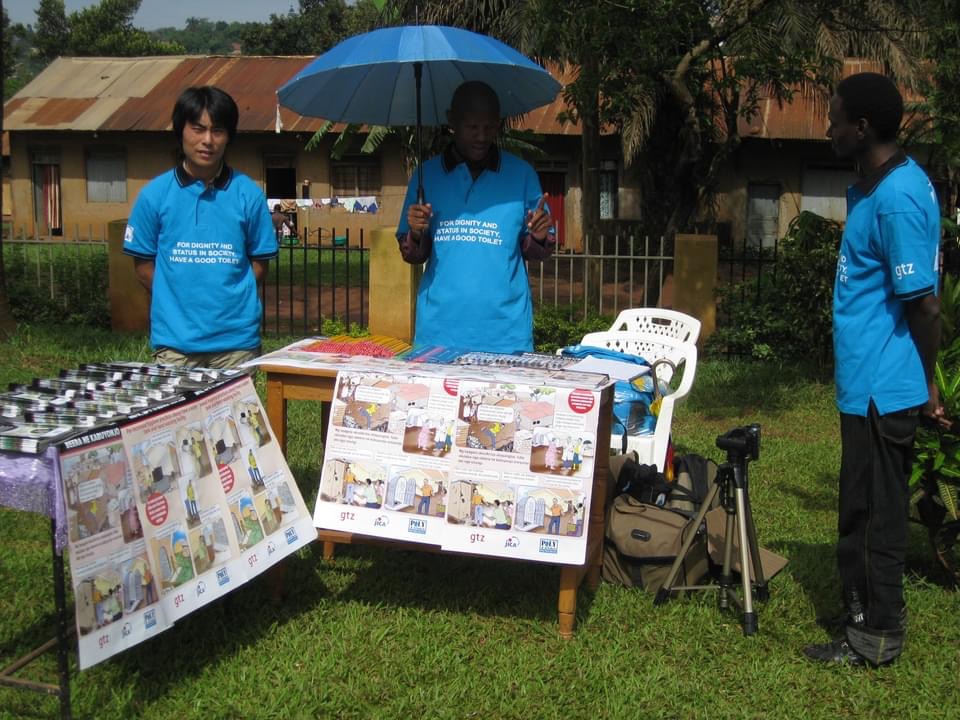
This later expanded into sanitation. Unlike in other parts of Uganda, we used Community-Led Total Sanitation (CLTS) in Karamoja, an approach built on participatory methodologies that draw on the contribution and involvement of the whole community. As one account of the approach puts it:
“At the heart of CLTS lies the recognition that merely providing toilets does not guarantee their use or lead to sustained improvements in sanitation and hygiene. In contrast, the CLTS approach focuses on triggering a collective behavioral change within communities, empowering them to analyze their sanitation practices and find local, affordable solutions.” (Roberts, 2024)
A number of villages have since been assessed and declared open defecation free. Roughly ten primary schools and four health centers in Karamoja have been supported with rainwater harvesting and improved sanitation facilities, including ventilated pit latrines and San Plat slabs. Uptake and utilization have not been without challenges, but the shift in general community behavior and practice, at both household and institutional levels, has been notable.
Confronting culture: gender, meetings, and the limits of textbook development
Much of what I carried into this work came from formal training: needs identification, needs assessment, participatory surveys, problem analysis. These concepts are well argued and well understood in the lecture room. Field practice, however, reveals that communities differ in their intrinsic value systems in ways that have real, sometimes decisive, effects on outcomes. Some communities are anchored in strong religious foundations, others in cultural practice, others in socio-economic or political orientation. Applied uniformly and without adaptation, the same approach that succeeds in one locality will fail in another.
I came into this work also as a firm believer in the norms of modern community development practice: equity, fairness, justice, gender sensitivity, participation. My commitment to these principles was, without question, unwavering.
What I had not anticipated was how differently these norms would land on the ground. In the early days of my work in Teso, it was genuinely difficult to hold a community meeting that brought men and women together in the same venue, no matter how the invitation was framed. On the rare occasions when women did attend, they largely remained silent observers in front of their male counterparts. This silence was rooted in deeply entrenched cultural attitudes that positioned women as subordinate to men's authority. For a number of years, I had to work within that status quo, using sustained, gradual, and deliberately paced sensitization to introduce what were, at the time, genuinely foreign ideas. Over time, this generated a real, if gradual, shift toward acknowledging the value of placing women at the center of community development initiatives.
This experience taught me that community development cannot be applied as a “one size fits all” model across rural settings. What works in Teso does not necessarily work in Karamoja, and vice versa. In Teso, communities prioritize garden and field work over early-morning meetings, especially in the rainy season, and are realistically only available in the afternoon. I had also grown used to men dominating community-based development structures in Teso, an assumption I carried, mistakenly, into Karamoja. There, the pattern is reversed: women take the lead in community-level development engagement, while men's participation is inconsistent, often because time that could go to community meetings goes instead to drinking.
Working within constraints: projects, government, and resource mobilization
Throughout this period, my practical approach to fostering community development has followed a familiar cycle: project design and planning, implementation, monitoring, phase-out, and evaluation. This is less a matter of preference than necessity, dictated by how resources for rural development work are actually mobilized. The alternative route, seeking direct government funding, has in my experience been a genuinely difficult path to navigate, given the procedural and bureaucratic realities of Uganda's public budgeting system.
Measuring impact: SIDP and SEAS
Through the Soroti Integrated Development Project (SIDP), we supported over 4,600 households, representing more than 27,600 people, whose livelihoods improved measurably in terms of food security and income. The project also strengthened targeted communities' ability to influence the quality-of-service delivery from local government at both the sub-county and district levels.
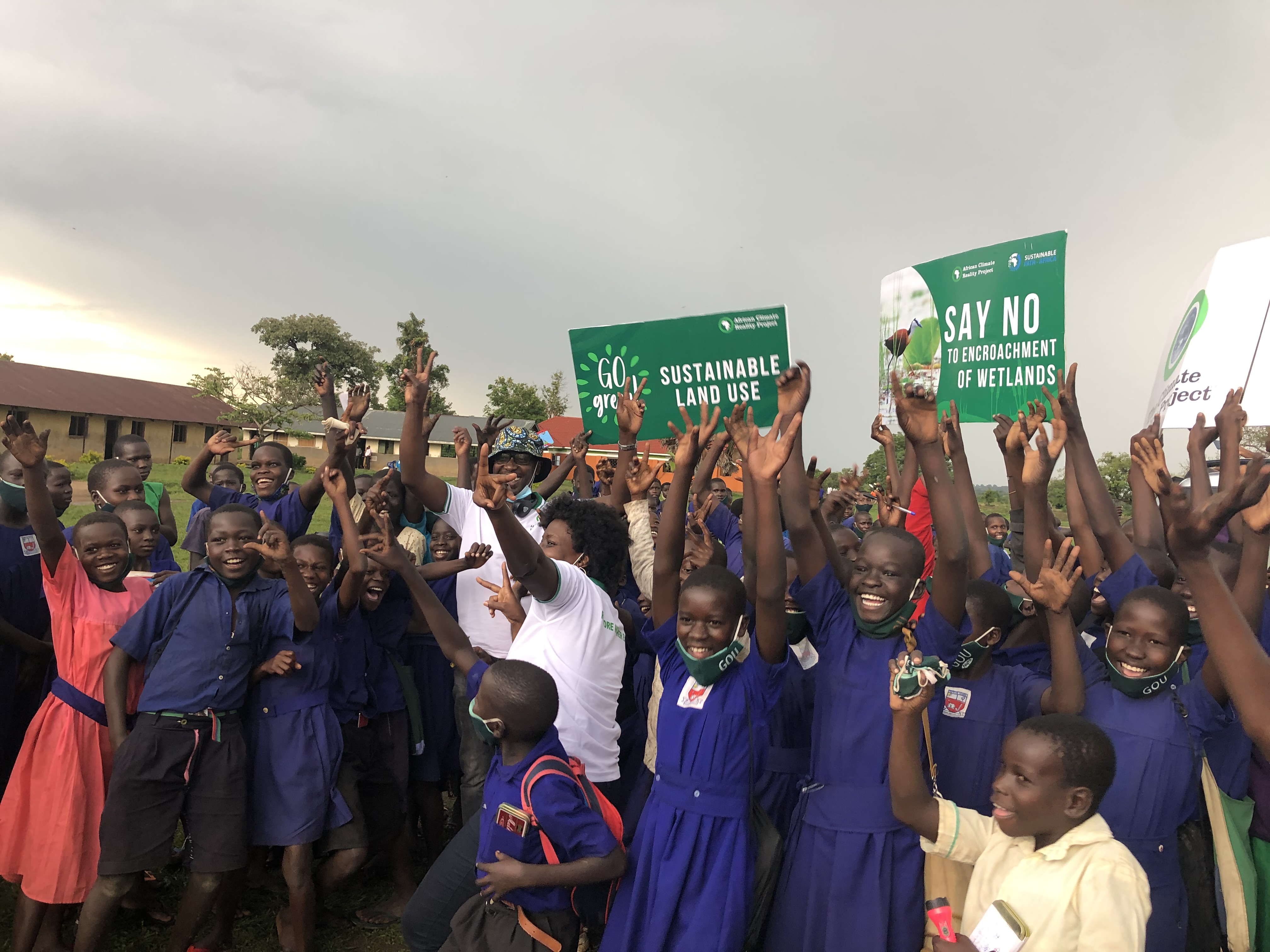
Through a second initiative, the Soroti Environmental Agro-Solutions (SEAS) project, we reached 3,360 primary beneficiaries, including men, women, and youth, with the aim of improving livelihoods through environmental conservation, governance, and climate-smart agricultural practices. Before the project began, 81% of targeted households were food insecure. By the project's end-line evaluation, 58% of households reported eating three meals a day, and 84% were sourcing most of their food from their own farm gardens. Seventy-four percent of households had adopted modern agricultural practices and were earning between UGX 420,001 and UGX 900,000 per season. Advocacy by Farmer Field Environment Group (FFELG) members also led to the demarcation of five wetlands, including Amodoi, Olwalei, Opetacao, and Ongurio, among others, to prevent swamp reclamation and further environmental degradation.
Restoring indigenous seed systems
Alongside this, we have worked intensively with Teso's rural communities to restore, protect, and regenerate local and indigenous seed varieties. Indigenous and traditional food and seed systems are inseparable from agricultural biodiversity and food security: for millennia, they have preserved the diverse germplasm that broadens the genetic base of production and adapts crop varieties to specific microclimates (Mulvany et al., 2002). Conflict-driven displacement had disintegrated much of this traditional food system, making its restoration a genuine priority before introducing communities to newer alternatives.
Fortunately, most rural communities and smallholder farmers in Teso already understood, intuitively, that indigenous seed systems carry immense biodiversity value, both for conserving agricultural diversity and for ensuring dietary diversity. They have since come to see these systems as also contributing to improved financial outcomes and to combating “hidden hunger” caused by micronutrient deficiencies. A number of the farmer cooperatives we have supported are now engaged in seed multiplication and seed banking.
Building farmer organizations: from groups to cooperatives
Our strategy for changing rural livelihoods has centered on organizing communities into farmer groups, then farmer associations, and ultimately farmer cooperatives, providing capacity-building support suited to each stage. This progression has never been automatic or guaranteed. In some cases, groups never advanced beyond the group stage; in others, we supported the transition to an association but no further; and where circumstances allowed, we supported full graduation to cooperative status. In every case, the cooperative level has delivered by far the greatest benefits to members, a pattern consistent with the broader view that Uganda's cooperative movement has been a cornerstone of rural development since its founding, empowering farmers nationwide through collective action and mutual support (Sengendo, 2024). From both a theoretical and a practical standpoint, it became clear early on that rural transformation is simply not achievable through an approach built around individuals working alone.
The governance trap: when farmer leaders go rogue
One of the more sobering lessons of this work concerns leadership within farmer groups. Democratic formation of these groups, through community meetings that elect a chairperson, vice chairperson, treasurer, secretary, and publicity officer, is meant to safeguard a just, transparent, and accountable system. In practice, I have repeatedly seen well-intentioned democratic structures degrade into autocratic, self-serving leadership.
Often, the chairperson, treasurer, and secretary come to make decisions unilaterally, sidelining the wider membership. Some leaders accumulate enough influence to intimidate potential challengers out of contesting elections altogether, in effect entrenching themselves indefinitely, a dynamic that tends to end in either the group's collapse or its ongoing dysfunction. Attempts to dislodge such leaders are often quietly undermined by the leaders themselves. Compounding this, many members come to believe, mistakenly, that the group cannot function without its long-serving chairperson or treasurer. The result is that some of the more assertive members simply leave, either joining other emerging development opportunities or opting out of group-based development altogether. Local politicians often reinforce this dynamic, mistaking “permanent” leaders for strong leaders and channeling political patronage through them.
These same entrenched leaders can also be remarkably skillful at positioning themselves with incoming development partners, offering support, information, and visible cooperation well ahead of anyone else. This makes it genuinely difficult for new partners to build trust with the wider community, since beneficiaries who have seen this pattern before often become hesitant to re-engage, expecting the same limited results as last time. My lesson from this is that community development practitioners need to identify these dynamics early, either by working to neutralize them directly or by building the confidence and assertiveness of ordinary group members so they can push back on their own.
What made the difference: working through cultural and political structures
None of this work has been straightforward, and the successes described here sit alongside real and ongoing challenges; more than this space allows me to cover in full. What I can say is that where progress was made, it depended on patience and a willingness to take cultural values seriously rather than override them. Ignoring those values risked a genuine disconnect between our initiatives and the communities they were meant to serve, or worse, being regarded as a social outsider within Teso-Karamoja itself.
One of the more effective strategies was direct engagement, through dialogue and negotiation, with clan and cultural leaders, particularly those most active within their communities. Over time, these conversations surfaced the underlying fears on both sides of the gender question: presumed incompetence, the demands of domestic roles, an inferiority complex among women set against a superiority complex among men, and concern over public opinion in the face of strong cultural expectations. Women's fear centered specifically on what participation in project meetings, held at all hours across the week, would mean for their ability to meet their existing domestic responsibilities.
Where appropriate, I also engaged political and technical leaders across the Local Council 1 to Local Council 5 structure, who proved to be effective change agents in breaking down socio-cultural barriers to gender participation, largely because of their education, exposure, and awareness. Alongside this, we worked to re-schedule community development activities around women's existing responsibilities, such as childcare, food preparation, and household chores. A small group of women broke the initial barrier despite the odds, and as others observed that their peers were still meeting their household responsibilities while participating, more came forward, some on their own initiative, others encouraged by fellow women, and others still by the men in their households.
Conclusion: lessons for rural development practice
Thirteen years in Teso-Karamoja have taught me that rural development succeeds or fails less on the technical soundness of an intervention than on how deliberately it is adapted to the specific cultural, social, and political terrain of the community it serves. Four lessons stand out. First, textbook frameworks for needs assessment and participation are necessary but not sufficient; they must be read against the specific value systems of the community in question. Second, gender inclusion is rarely won through insistence alone; it is built gradually, through visible, low-risk examples that others can safely follow. Third, farmer organizations are only as strong as the accountability structures that govern them; democratic formation does not guarantee democratic practice, and practitioners must watch for entrenchment early. And fourth, sustainable change tends to run through existing structures of legitimacy, such as clan and cultural leadership and local government, rather than around them.
None of this diminishes the real, measurable gains achieved through SIDP, SEAS, and the broader work across Teso and Karamoja. But the deeper value of this experience, for me, lies in what it has revealed about the distance between development theory and development practice, and in the conviction that closing that distance is the ongoing work of any serious rural development practitioner.